

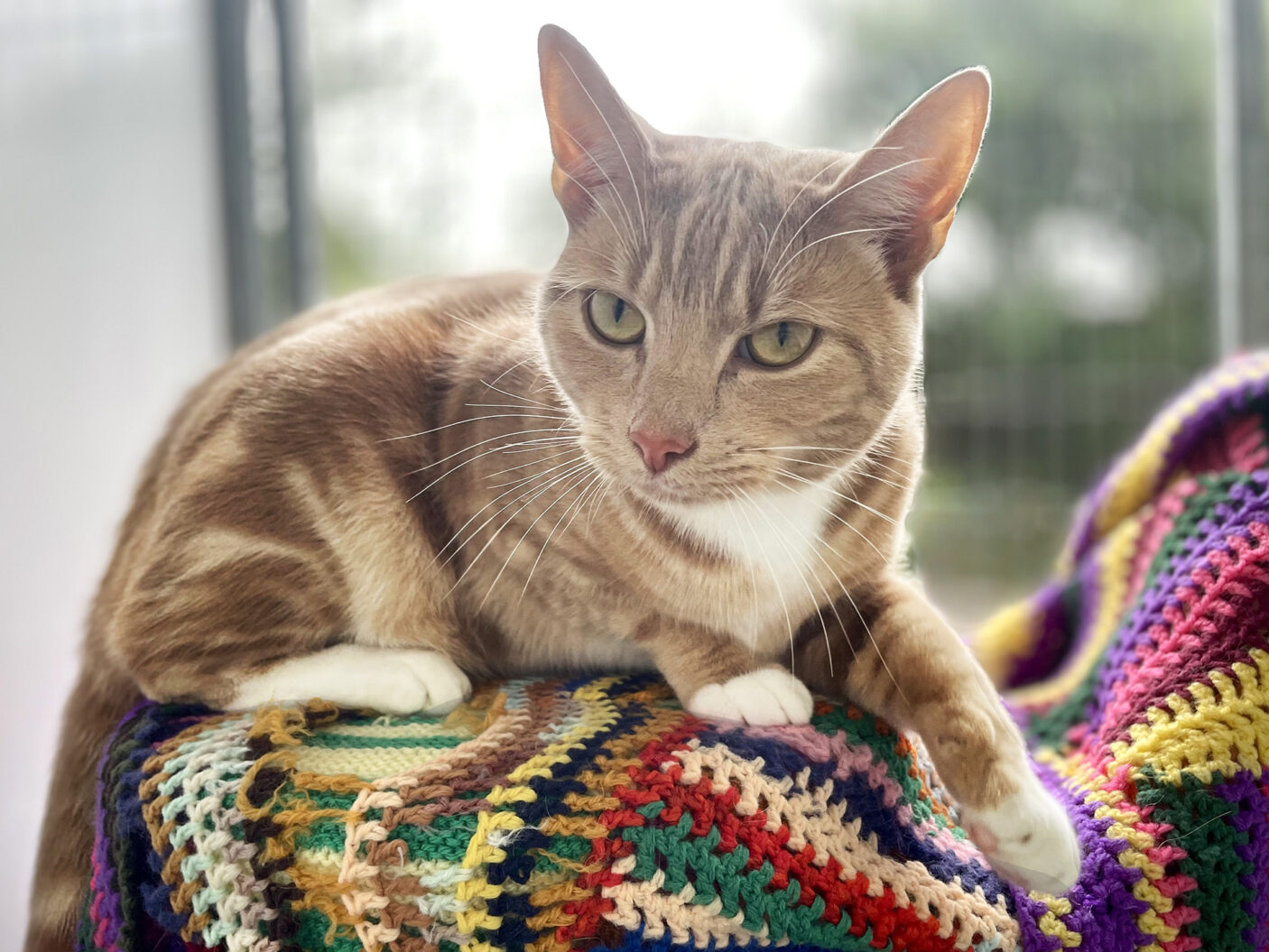
Think mood swings, changing hormones and late-night antics are just for human teenagers? Think again. Bath Cats and Dogs Home says adolescent pets are challenging owners with the animal version of the teen years, with young cats and dogs chewing, climbing, ignoring recall and having midnight zoomie sessions.
Now the charity is warning that more of these four-legged teens are ending up in rescue centres. More than 70% of dogs and 16% of cats currently in its care are aged between six months and three years, the pet equivalent of adolescence, when energy soars, curiosity takes over and boundaries are pushed.
Just like human teenagers craving independence, these young pets are testing limits as they grow up. While these behaviours are often perfectly normal for their age – from jumping up and chewing to scratch-happy climbing sprees and night-time chaos – many owners find this stage difficult to manage. This behaviour is not the pet’s fault, but a natural part of development that requires time, patience and consistent training. Combined with money pressures and the rising cost of living, the charity is now seeing more young animals given up during their teenage phase.
Behaviour specialists at the Centre emphasise that these challenges are both temporary and manageable with the right support. Nicky Charman, Behaviour and Training Manager, said: “Many of the behaviours we see in adolescent dogs — such as pulling on the lead or poor recall — are not signs of defiance, but of inconsistent training and structure. With patience and guidance, these dogs can mature into well-adjusted companions.”
The same is true of cats. Jessica Dowler, Cat Behaviour Assessor, noted:
“Young cats are naturally inquisitive and energetic, which can sometimes show as destructive behaviours like climbing, scratching or chewing. However, with consistent routines and enrichment, they settle well and make wonderful pets.”
Many adolescent animals stay longer at Bath Cats and Dogs Home while receiving behaviour support, making up a large part of the Centre’s intake. Brian, a young Husky cross, is a typical example—he stayed at the Centre for 579 days before eventually finding a new home. Like many young dogs, he was energetic and in need of guidance. With routine, understanding and expert support, his affectionate personality began to shine.
The charity expects more teenage pets to arrive over the summer, placing additional pressure on staff and resources as each dog’s kennelling costs are around £1,200 per month. Supporting young animals through this formative stage requires significant time, patience, expertise and funding.
Bath Cats and Dogs Home are appealing for public support this summer to help meet the growing demand and ensure these young animals are given the opportunity to thrive Teenage tails need you! | Bath Cats & Dogs Home